




As global supply chains face increasing pressure from sustainable development standards, ESG (Environmental, Social, and Governance) is gradually becoming a mandatory requirement rather than just a symbolic slogan. Especially in the logistics sector, the trend of “green transformation” is accelerating and directly impacting the competitiveness of businesses.
In the past, logistics mainly focused on speed, cost efficiency, and operational performance. Today, however, factors such as carbon emission reduction, energy optimization, environmentally friendly transportation, and transparent operational data have become key criteria in evaluating logistics partners.
Many exporting companies, particularly those involved in international supply chains, are now required to meet strict demands from overseas partners regarding emissions, traceability, and ESG reporting. This has made green logistics no longer a voluntary trend, but rather a “passport” for maintaining partnerships and expanding into new markets.
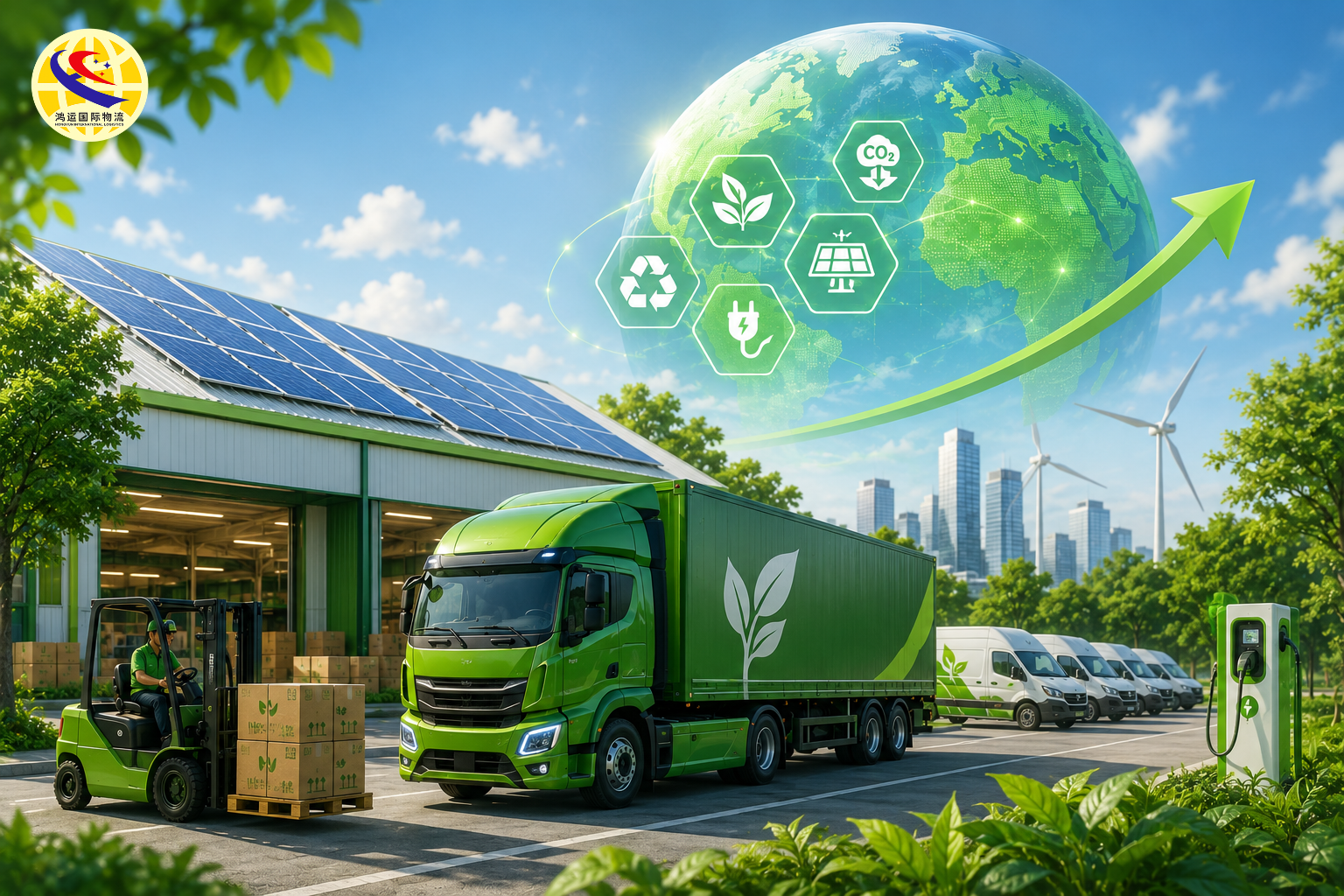
In Vietnam, many logistics enterprises have started investing in green operational models such as smart warehouses, solar energy applications, electric delivery vehicles, and digital platforms to optimize transportation routes. These solutions not only help minimize environmental impact but also contribute to long-term cost savings and improved management efficiency.
At the same time, the rise of sustainable consumer behavior is placing increasing pressure on the entire supply chain. Consumers are paying more attention to product origins, delivery methods, and the environmental responsibility of businesses. This is forcing logistics providers to adapt and innovate.
It is clear that green logistics is not only an environmental responsibility but also a vital strategy in a market that is rapidly shifting toward sustainability. Businesses that fail to transform may risk being excluded from supply chains, while early adopters will gain greater opportunities to collaborate with major partners and strengthen their market position.
In the near future, ESG and green logistics will continue to serve as fundamental pillars for businesses to build competitive advantages and achieve long-term sustainable growth.
Following this sustainable development trend in the logistics industry, Hồng Vận Logistics is continuously learning, improving, and upgrading its warehouse system in line with green, clean, and modern standards. The company focuses on optimizing operational processes, minimizing waste generation, and reducing negative environmental impacts as much as possible. This reflects not only its commitment to social responsibility but also its strategic direction in building a modern, efficient, and environmentally friendly logistics ecosystem.